
The Real Reason Bid Recruitment Fails (and How to Fix It)
Recruiting bid professionals should be straightforward. Organisations need people who can manage complex processes, think strategically, write persuasively, and coordinate stakeholders under pressure. Candidates want roles where they can contribute to winning work and developing strategy. On paper, it looks like a good match.
Yet bid recruitment consistently underperforms. Roles stay open for months. Candidates feel misunderstood. Hiring managers feel disappointed. And too many new hires either struggle to make an impact or leave within a year. The problem isn’t a lack of talent. It’s a mismatch between how organisations recruit and what the bid role actually requires. It is greatly misunderstood.
I try to use my professional platform to point out the most obvious misconceptions on a regular basis. Because if I don’t - how will things ever improve?? For me, the biggest issues are: a lack of understanding of the role, a poor package on offer (quite often), the “admin role” ideology, a job function which is not prioritised by anyone, coupled with often poor leadership. Lets look at all of this, plus overlapping wider issues.
Why Most Bid Job Adverts Fail to Attract the Right Candidates
Hiring people is the same as most things in life - it is a sales job. If your product in this case “the job” is advertised in the exact same way as all of the other jobs, it fails to make an impact.
I have been known to not apply for jobs when it uses all the same buzz words as every other job, and really does look like it has been copy and pasted. The street runs both ways. Employers want genuine candidates. Equally employees want a real opportunity. I have also been known to apply for a role because one of their benefits was “we don’t offer free fruit”. Truthfully it made me laugh and crucially got my attention. I didn’t take that particular role, but they were a great team and I would happily have worked there if the timing had aligned.
So what I am saying is have an advertisement which actually tells the applicant about the actual job! Crazy I know. Think about your differentiators, what does a typical day look like, what kind of projects are you involved in? Give a little detail, nothing top secret, but do paint the picture.
The Problem With Undefined Bid Manager Roles
One of the biggest issues is that many organisations don’t truly understand the role. It often comes down to getting a bum on a seat. I find this to be particularly true in smaller organisations. When the senior team doesn’t understand the bid process, you begin in a difficult spot.
The term “Bid Manager”can mean anything from a coordinator to a strategic pursuit lead. Some roles are heavily operational, focused on timelines, formatting, and compliance. Others require commercial input, client insight, and win strategy development. Many sit somewhere in between. Not to mention the vast salary range for the skill level needed.
Yet job descriptions frequently lump everything together: project management, writing, pricing support, stakeholder management, strategy, design input, and even CRM maintenance. The result is a “unicorn” role that few candidates genuinely fit. Let alone, the huge complexity of trying to do many different jobs well in a 40 hour week. Quite frankly, these organisations are on a hiding to nothing.
This lack of clarity leads to confused hiring decisions. Candidates are assessed against an unrealistic wish list rather than the actual priorities of the role. When expectations are unclear, disappointment later is almost inevitable. The wrong candidates are often hired, leading to disappointment for both parties.
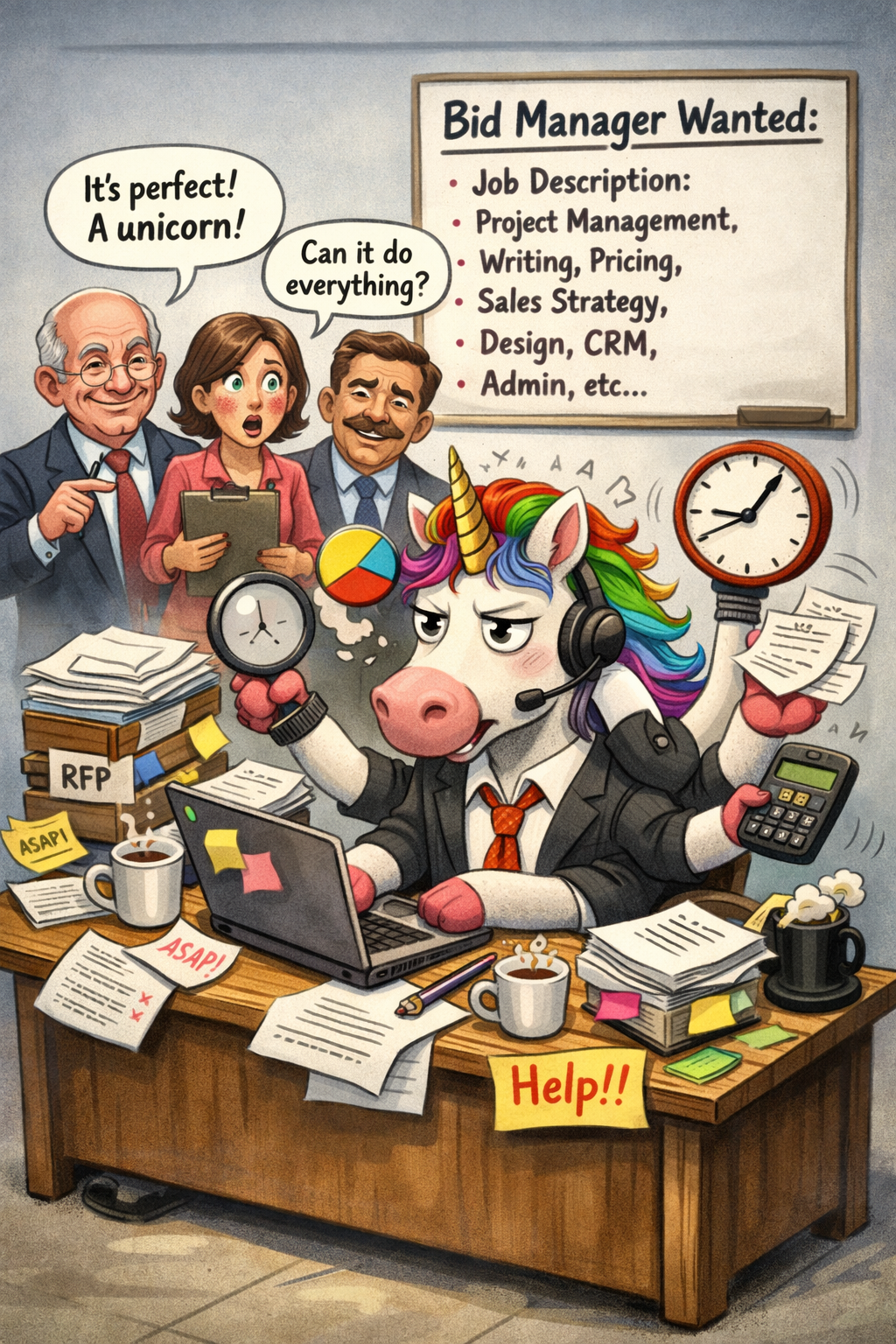
Image credit: ChatGPT - The perfect Bid Unicorn!
Why Hiring for Process Knowledge Doesn’t Improve Win Rates
Many organisations recruit bid professionals based on process knowledge rather than value creation. Interview questions often revolve around methodology, governance, templates, and tools. While these matter, they don’t reveal whether a candidate can actually improve win rates, influence stakeholders, or shape strategy. Or even how well they work with other people. Stakeholder management is very much a core role in this position.
Strong bid professionals don’t just run processes. They diagnose opportunities, challenge assumptions, and align messaging with evaluation criteria. They add commercial insight, which is essential if you want to win high value contract opportunities. Business development strategy would not exist without the work attributed to your bid or pursuit colleagues.
When recruitment focuses too heavily on process compliance, organisations risk hiring someone who can manage a timetable but not strengthen a bid. It is too easy for people to view this role as suitable for a copywriter or some kind of admin support. The businesses with this kind of thought process, are also the ones who really don’t understand what is involved. A lot of these problems have irritated me over the years, and especially when I have been recruited for a bid role, I have rarely if ever been asked the correct interview questions. So I have put together a quick guide of the 50 questions all bid professionals should be asked at interview.
Why Writing Skills Are the Most Overlooked Factor in Bid Hiring
Writing sits at the core of bid work, yet many recruitment processes barely test it.
Some candidates are hired based on verbal confidence or industry experience, only for their written work to fall short once they start. Others are rejected because they aren’t strong interview performers, despite being excellent writers.
Too often, writing assessments are rushed, generic, or disconnected from real bid scenarios. Without realistic evaluation, organisations gamble on one of the most critical skills in the role. The result is predictable: new hires who struggle to produce persuasive, client-focused responses, which ultimately doesn’t win the work required.
Again, this is why I wrote the 50 questions all bid professionals should be asked at interview - because it has been a bug bear of mine for years. To attend interview and not to be asked about the core competencies for the role you are interviewing for.
Why Influence & Stakeholder Skills Matter More Than Templates
Bid work isn’t just about documents. It’s about influencing people — subject matter experts, sales teams, finance leads, technical authors, and senior executives. Yet recruitment often focuses on deliverables rather than relationships. Candidates are asked how they manage deadlines, but not how they handle resistant stakeholders, conflicting priorities, or unclear direction. These skills matter just as much as the individual’s writing ability.
The reality is that bid success often depends on soft influence rather than formal authority. Professionals who can guide conversations, challenge assumptions diplomatically, and build trust across teams tend to be the most effective. When recruitment overlooks these skills, organisations risk hiring technically capable people who struggle to mobilise others.

Image credit: Clem Onojeghuo
The Salary, Title, & Responsibility Gap in Bid Recruitment
Another common issue is the mismatch between job title, responsibility, and salary.
Organisations sometimes expect strategic input, leadership, and commercial thinking while offering compensation aligned to a purely administrative role. Conversely, candidates may expect autonomy and influence when the role is primarily coordination-focused.
This disconnect leads to frustration early on. Candidates feel underutilised or undervalued, while hiring managers feel the new recruit isn’t stepping up. Clearer alignment between expectations, scope, and reward would solve much of this problem — yet it remains surprisingly rare and one of the biggest issues which continues.
Why Cultural Fit Matters More Than Experience in Bid Roles
“Cultural fit” is often shorthand for personality preference rather than working style compatibility. When you have other people who think they understand the bid function better than the person with the experience, there is much conflict.
Bid environments vary hugely. Some organisations run structured, mature bid processes with strong governance and clear roles. Others operate reactively, with late decisions and limited strategic input, especially startup environments or less well established businesses.
Candidates who thrive in one environment may struggle in another, regardless of skill level. A structured process expert may find a chaotic sales-led culture frustrating. A highly autonomous professional may struggle in a heavily controlled environment.
When recruitment doesn’t explore how the bid function actually operates day to day, both sides risk ending up in the wrong match.
Why Bid Interviews Rarely Reflect Real Bid Conditions
Bid work involves time pressure, ambiguity, competing priorities, and incomplete information. Yet interviews often happen in calm, hypothetical conversations.
Candidates are asked what they would do, not how they have handled messy, real-world scenarios. There’s limited exploration of how they make decisions under pressure or navigate uncertainty. Without realistic discussion or scenario testing, organisations may hire people who sound impressive but struggle in live bid environments.
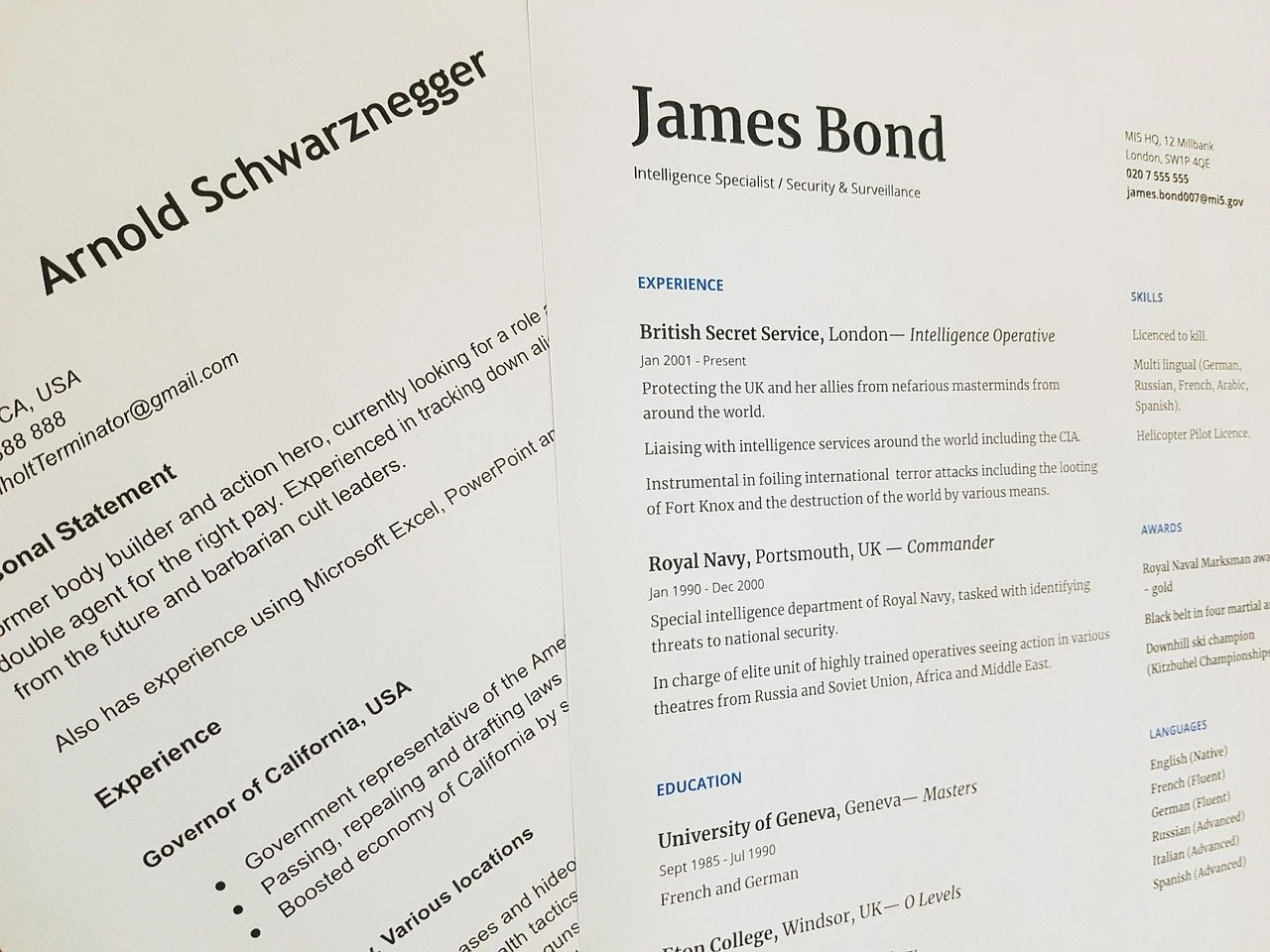
Image credit: Oli Lynch.
Why Candidates Also Misjudge Bid Roles
The recruitment challenge isn’t one-sided. Candidates sometimes underestimate what the role demands. Every organisation is very different, from leadership to the way the sales team works. There probably needs to be a bit more honesty from the job advert through all interview stages.
Some see bid work as primarily writing. Others view it as project management. In reality, it requires a blend of both plus commercial awareness, emotional intelligence, and resilience. Without probing questions, candidates may accept roles that don’t match their strengths or interests. This leads to disengagement, underperformance, or early departure — reinforcing the cycle of recruitment frustration.
The Hidden Business Cost of Poor Bid Recruitment
Poor bid recruitment isn’t just inconvenient — it’s costly. Both in time, resource and financials. Vacant roles delay submissions and stretch teams. Mis-hires impact bid quality, stakeholder confidence, and win rates.
Because bids are directly linked to revenue, recruitment mistakes ripple far beyond HR metrics. They affect pipeline confidence, growth strategy, and competitive positioning. Yet many organisations still treat bid recruitment as a transactional hiring exercise rather than a strategic investment. This is where things need to change.
How Organisations Can Fix Bid Recruitment and Hire for Impact
Improving bid recruitment isn’t that difficult. It just requires more clarity, alignment and probably thought. The biggest issue by far is those hiring whether the senior team, recruitment or HR not understanding the complexity of the role.
The core skills required to win work need to be defined early. As in what is actually needed vs the dream wish list, barely in mind you are hiring one person not a whole team.
Recruitment should then be able to test those priorities realistically - through a scenario discussion, writing evaluation as well as some exploration of the working style required. Equally, candidates should approach interviews as two-way conversations, using thoughtful questions to understand the organisation’s bid maturity, expectations, and culture.
When both sides move beyond generic hiring practices and focus on how bids really work, recruitment outcomes improve dramatically. Successful recruitment in this sector isn’t about finding the perfect CV. It is about matching capability and skill of the person, as well as setting realistic requirements. This way everyone starts off from the right place.